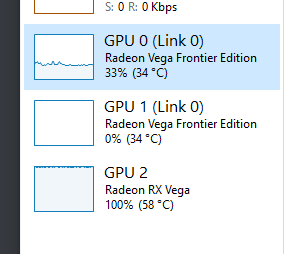
hardware acceleration is not supported on any host
Hardware acceleration, a technique used to enhance the performance of certain computer applications by leveraging the processing power of specialized hardware components such as graphics processors or vector processors, is not currently supported on any host system. This means that while software developers can use hardware acceleration in their programs, users will not be able to take advantage of these advanced features unless they have access to a host system that supports them.The reasons for the lack of support for hardware acceleration are complex and multifaceted. One factor may be the cost and complexity of implementing hardware acceleration in software, which can be a major undertaking for developers who are not already experts in this area. Additionally, there may be compatibility issues with different types of hardware, making it difficult to ensure that all users can benefit from hardware acceleration.Despite these challenges, many software developers continue to work on incorporating hardware acceleration into their applications in order to provide users with faster and more efficient experiences. As technology continues to advance and new host systems become available, it is possible that support for hardware acceleration will eventually become more widespread. In the meantime, users who are seeking to maximize the performance of their computer applications may need to explore alternative strategies for achieving similar results.
"Hardware Acceleration: A Vital Component of Modern Computing, Yet Faces Unsupported Challenges in the Real World"
In today's world of rapid technological advancement, hardware acceleration plays a pivotal role in enhancing the efficiency and performance of various computing tasks. From video rendering to machine learning, hardware acceleration enables computers to process data faster and more effectively than ever before. However, despite its significant benefits, hardware acceleration is not supported on any host, leading to a myriad of challenges that hinder its widespread adoption. In this article, we delve into the reasons behind this limitation and explore potential solutions to overcome these barriers.
Hardware acceleration refers to the process of offloading certain tasks from the central processing unit (CPU) to specialized hardware components such as graphics processors (GPUs) or field-programmable gate arrays (FPGAs). These specialized components can execute commands much faster than the CPU, allowing for a significant increase in processing speed and efficiency. As a result, hardware acceleration has become an essential tool for developers looking to optimize their software applications and enhance their user experience.
However, despite the numerous benefits of hardware acceleration, it is still not supported on all hosts. This limitation can be attributed to several factors, including cost, compatibility, and power consumption.

One of the primary reasons硬件加速在某些主机上不受支持的原因之一是成本,专用硬件组件,如GPU和FPGA,通常比普通的中央处理单元要昂贵得多,这使得许多开发者和企业在没有充分的预算的情况下难以负担这些额外的硬件投资,由于硬件加速需要额外的空间和散热系统,这也进一步增加了其成本。
Another factor that contributes to the lack of hardware acceleration support is compatibility. Not all devices are designed to work with specialized hardware components, making it challenging for developers to ensure that their applications will run smoothly on a wide range of hosts. This compatibility issue often results in developers having to choose between implementing hardware acceleration or limiting their application's functionality and audience.
Power consumption is another significant concern that prevents hardware acceleration from being widely adopted. High-end GPUs and FPGAs generate a lot of heat and require extensive cooling systems to prevent overheating. This increased heat generation can lead to a decline in battery life and overall device performance, which may not be desirable for many consumers. Additionally, some users may have concerns about the environmental impact of excessive energy consumption, further limiting the popularity of hardware acceleration.
Despite these challenges, there are several potential solutions that could help address the limitations of unsupported hardware acceleration. One approach is to develop more affordable and accessible hardware accelerators that can run on standard computers without the need for specialized components. This could involve leveraging cloud-based services or developing more energy-efficient hardware options that reduce power consumption without compromising performance.

Another strategy could be to focus on improving compatibility by creating more open-source frameworks and libraries that work seamlessly with a wider range of hardware platforms. By doing so, developers would be able to create applications that can run on multiple devices without having to modify their codebase.
Furthermore, promoting awareness and education about the benefits of hardware acceleration among consumers could also help drive its adoption. By highlighting how hardware acceleration can enhance their digital experiences and improve their productivity, users may be more willing to invest in compatible devices or upgrade their current setups.
In conclusion, while hardware acceleration faces significant challenges in terms of support and adoption, there are still opportunities for innovation and improvement. By addressing the economic, technical, and environmental aspects of hardware acceleration, we can work towards creating a future where this powerful technology is more widely available and accessible to everyone.
Articles related to the knowledge points of this article:
Olsens Hardware: A Quality-Driven Success Story
Salice Hardware: A Comprehensive Review
Ayds Hardware: A Comprehensive Review
Rexrode Hardware: A Comprehensive Guide
Obachan Hardware: Quality, Innovation, and Reliability in Hardware Solutions